The Importance of Browser Updates and Protecting Your Online Privacy
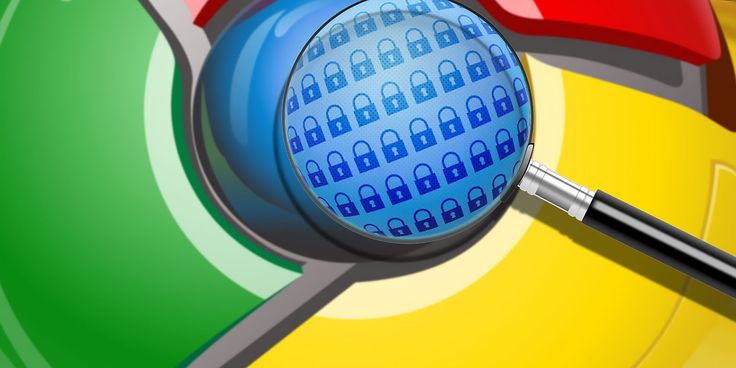
The browser you use every day is more than just a tool for accessing websites—it is the central hub of your online activity, storing sensitive information such as passwords, browsing history, and personal data. Unfortunately, this makes it a prime target for cyber attackers. Every day, new vulnerabilities are discovered that can be exploited by hackers, and failing to update your browser leaves these weaknesses unpatched and accessible. Outdated browsers are more likely to be targeted through methods such as malicious scripts, phishing pages, or compromised websites.
Phishing remains one of the most common browser-related threats. Cybercriminals design deceptive websites that appear legitimate to trick users into entering confidential information. Once this data is captured, it can be used for identity theft, financial fraud, or other malicious purposes. Another growing concern is the misuse of browser extensions. While extensions can improve user experience by adding features or tools, unverified or outdated extensions may secretly collect data, introduce malware, or degrade system performance. Even seemingly safe websites can become risky if your browser lacks the latest security standards, such as modern encryption protocols or sandboxing technologies.
To maintain security and privacy, it is essential to update your browser regularly. Updates not only fix vulnerabilities but also enhance performance, improve compatibility with modern web technologies, and strengthen encryption standards. Users should also practice careful browsing habits: avoid clicking suspicious links, verify the source of extensions, and use browser settings to limit tracking and data sharing. Utilizing built-in security tools, such as pop-up blockers, secure browsing modes, and password managers, further reduces exposure to threats.
The reality is that cybersecurity is a shared responsibility between software developers and users. By staying informed about emerging threats, applying updates promptly, and adopting safe browsing practices, individuals can protect themselves from a wide array of online risks. A secure, updated browser is not just a convenience—it is the cornerstone of maintaining online privacy, safeguarding personal data, and ensuring a reliable digital experience in an increasingly connected world.







Post Comment