Why Browser Security Should Be Your Top Priority
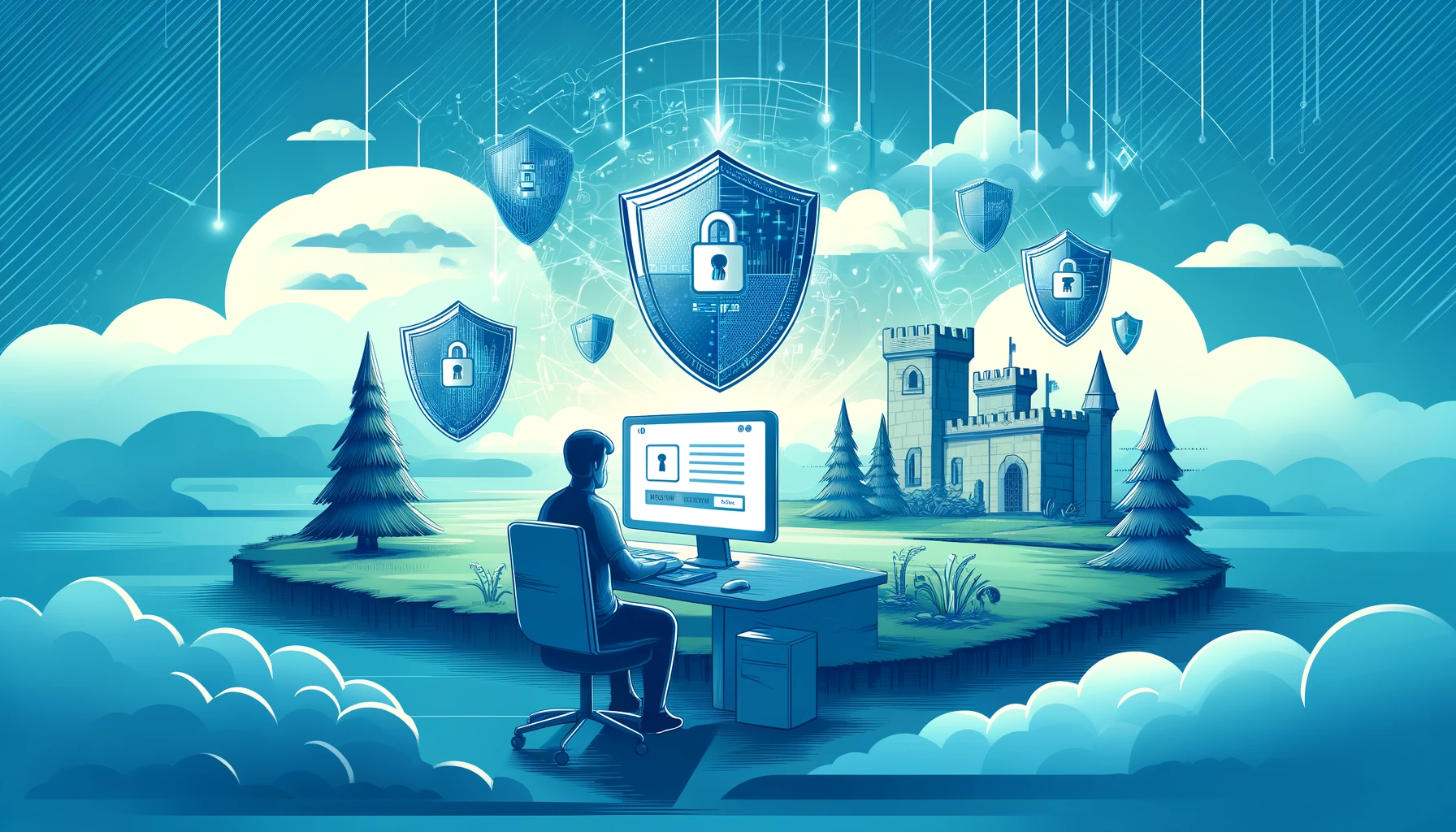
Browsers are the gateway to the internet, connecting users to information, services, and communication platforms. However, this convenience comes with responsibilities: a browser that is not properly maintained or secured can become a target for cyber threats. Attackers continuously look for vulnerabilities in outdated software, using them to inject malicious scripts, steal personal information, or manipulate web content. Even seemingly harmless activities, such as visiting everyday websites, can expose users to risks if the browser cannot enforce modern security protocols.
One common threat is phishing, where attackers create convincing copies of legitimate websites to trick users into revealing passwords, financial details, or other sensitive information. Another significant risk comes from extensions and add-ons. While they enhance functionality, poorly maintained or unverified extensions can act as gateways for malware, tracking, or unauthorized data access. Drive-by downloads, which occur when malicious files are automatically downloaded without user consent, further highlight the dangers of an insecure browsing environment.
Keeping your browser updated is the simplest yet most effective defense. Updates address known vulnerabilities, improve encryption standards, and enhance compatibility with modern web technologies. Users should also practice safe browsing habits, such as avoiding suspicious websites, installing trusted extensions, and leveraging built-in security features like sandboxing and secure browsing modes. By combining proactive updates with mindful usage, individuals can significantly reduce exposure to threats, ensuring a safer and more reliable online experience. Staying informed about emerging risks and maintaining good security hygiene is essential for anyone navigating the digital world.







Post Comment